
You didn’t find Ayahuasca; it found you. Maybe it was a late-night documentary that resonated or a friend returned from the jungle with a look in their eyes you couldn’t quite name. But now, you’re staring at a screen, scrolling through dozens of websites, and feeling that familiar tightness in your throat.
How do you know which center is the “one”?
Searching for the best ayahuasca retreats feels a lot like digital Russian roulette. You’re looking for a soul-deep transformation, but you’re met with glossy marketing that feels more like “spiritual tourism” than sacred tradition. You want the real thing. You learn about the ayahuasca retreat in Peru that is famous for its lineage, safety, and integrity.
But the “call” to the medicine isn’t just about the flight to Cusco. It’s about the vetting, the preparation, and the gut feeling you get before you even pack a bag.
The Problem: The Noise of Spiritual Tourism
Let’s be real. The Sacred Valley is crowded. Everyone has a colorful poncho and a website promising “enlightenment in three days. ” For a health-conscious seeker, this noise is a massive red flag.
You aren’t looking for a cheap experience. You’re looking for a safe one. You’re worried about:
- Large, impersonal groups where you’re just a number in a bucket.
- “Shamans” who learned their trade from a weekend workshop.
- Lack of medical screening for a medicine that interacts with your biology.
When you’re seeking a healing retreat, the last thing you want is to feel vulnerable in an environment that doesn’t respect the weight of the work.
The Solution: What Sets the Best Ayahuasca Retreats Apart
The secret to a life-changing Peru ayahuasca retreat lies in the details that happen behind the scenes. It’s not about the luxury of the linens; it’s about the depth of the container.
When you’re looking at a 7-day ayahuasca retreat in Peru, use these three non-negotiable criteria:
1. Small Group Sizes (The Power of Intimacy)
You cannot do deep trauma work with 30 other people screaming in a room. The best centers cap their groups. You need to know that if you’re lost in a vision, a facilitator is there to hold your hand or help you to the bathroom. You need space to breathe.
2. Native Lineage and Authentic Shamans
The medicine is the teacher, but the shaman is the navigator. Look for centers that work with indigenous maestros who have decades of experience. They know the songs (icaro) that call the spirit of the vine, and, more importantly, they know how to protect the energetic space of the room.
3. Western-Standard Medical Screening
This is the boring part that saves lives. A legitimate plant medicine ceremony provider will ask you about your heart health, your medications (SSRIs are a no-go), and your mental health history. If they don’t ask, walk away.
The Smell of Mapacho and the Reality of “The Purge”
Let’s talk about the ceremony itself. It’s 8:00 PM. The mountain air in Cusco is biting and thin. You’re wrapped in a heavy alpaca wool blanket. The room is pitch black, save for the glowing ember of the shaman’s mapacho (sacred tobacco) pipe.
The smell of that tobacco is something you never forget. It’s earthy, thick, and oddly grounding.
Then comes “The Purge.”
People are terrified of vomiting. They think it’s a side effect. It’s not. In the context of a healing retreat, the purge is the point. It’s the physical release of the “tightness” you’ve carried in your chest for ten years.
I remember a guest: let’s call him Mark. He was a high-level exec from New York. He spent the first hour of his first ceremony fighting it. He didn’t want to lose control. But when the Icaros started, that haunting, rhythmic whistling, he finally let go. He purged into his bucket, and later he told me, “It wasn’t just lunch.” It was every resentment I’ve held since I was twelve.”
That’s why you do this. You don’t do it for the lights or the visions. You do it to feel light again.
Why Cusco is the Perfect Gateway
Many people think they need to head deep into the Amazon jungle. But the Sacred Valley offers something the jungle doesn’t: clarity.
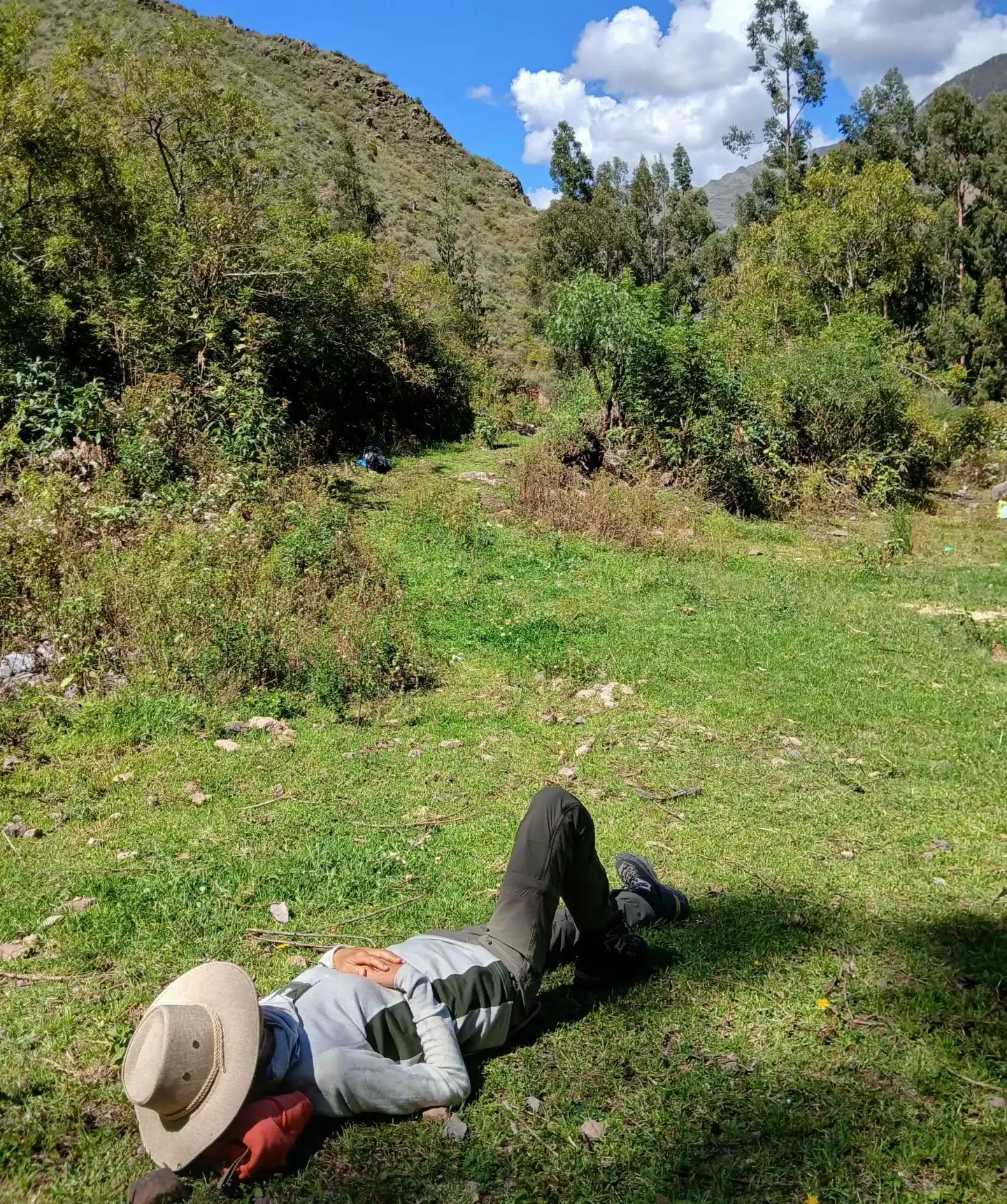
At a peru ayahuasca retreat in the highlands, you have the silence of the peaks. You have the ancient energy of the Inca stones. The “Grandmother” ayahuasca works beautifully in the crisp, high altitude. It feels cleaner. It feels like you’re closer to the sky.
What a Typical 7-Day Journey Looks Like:
- Day 1: Arrival, grounding, and meeting the group.
- Day 2: First plant medicine ceremony (Setting the intention).
- Day 3: Integration and rest (processing the “why”).
- Day 4: Second ceremony (Going deeper into the shadow).
- Day 5: Nature walks and somatic bodywork.
- Day 6: Final ceremony (The rebirth and the light).
- Day 7: Departure with a clear map for home.
Trusting the Call
If you’re reading this, the “call” is already ringing in your ears. You don’t need a 500-page manual. You need a safe place to land.
You deserve a space where the facilitators aren’t just “staff” but people who have walked the path themselves. You deserve to be in a place where the medicine is respected, the shaman is a master of their craft, and your safety is the priority.
The best ayahuasca retreats don’t just give you a “trip.” They give you your life back. They strip away the layers of “shoulds” and “musts” until you’re standing there, shivering in the Cusco wind, finally feeling like yourself.
If you’re ready to answer that call with people who actually care, come to us.
Ready to start your journey? Explore our upcoming dates and see how we hold space for your transformation at willkapachaexperience.com.
Frequently Asked Questions
1. Will I lose control during the ceremony?
You might feel a shift, but you aren’t “gone.” You’re still there, just with the volume of your ego turned down. Our facilitators are always feet away to keep you grounded.
2. Can I do this if I’m on antidepressants?
No. Safety first. SSRIs and other medications can have dangerous interactions with the medicine. You’ll need to be fully tapered off (with your doctor’s help) before arriving.
3. How many people are in a “small group”?
We keep it intimate, usually under 10-12 people. You aren’t just a face in a crowd here; the shaman needs to know your energy to guide you properly.
4. What if I don’t see any visions?
That’s okay. The medicine works on your body and emotions first. Some of the deepest healings happen through “feeling” rather than “seeing” colorful lights.
5. How do I get back to “normal life” afterward?
We call this “integration.” We don’t just send you to the airport. We provide tools and sessions to help you translate the “mountain magic” into your daily routine back home.