
Most people land in Peru with a one-way ticket, a backpack full of good intentions, and absolutely no idea if the retreat they booked is genuine or not.
That gut feeling of “Did I make the right call?” doesn’t leave until you’re actually there, sitting with the medicine, realizing that either the shaman knows what he’s doing, or worse, finding out he doesn’t.
Our dozens of first-timers at WillkaPacha Experience said the same thing: the hardest part wasn’t the ceremony. It was finding where I could find a small ayahuasca retreat in Peru that felt genuinely safe and not just well-marketed. This guide is for people like them and for you also.
Why People Keep Coming Back to Peru for Ayahuasca Ceremonies?
Ayahuasca Retreat didn’t start as a wellness trend. It started in the Amazon.
The Shipibo and Quechua people of Peru have worked with this plant for generations, not as therapy, not as a spiritual holiday, but as their primary system of healing. The knowledge lives here, in the healers, the jungle, and the highlands. You can go to retreats in Europe or Costa Rica. Some are fine. But there’s a reason serious seekers still come to Peru.
Peru is also one of the few countries where ayahuasca is legally used for indigenous ceremonial purposes. Best small Ayahuasca retreats in Peru operate in real centres openly. They don’t have to hide. That accountability matters when you’re handing over your mental and physical safety to a team of strangers.
As of 2025, multiple verified retreat centres in Peru, more than anywhere else on the planet. That number tells you both how much tradition lives here and how carefully you need to choose. Looking for the right retreat to support your healing? Read our guide to the best ayahuasca retreats in Peru.
The 3 Main Regions of Ayahuasca Ceremony in Peru and How They Feel Different?
A Peru ayahuasca retreat trip won’t let you have the same experience as everyone else. Where you go will decide your experience.
1. Iquitos and the Deep Amazon
Iquitos is only reachable by plane or boat. No roads. That isolation is part of the medicine; you’ve already left your normal world before the ceremony even begins. Centers like Temple of the Way of Light operate here, drawing from deep Shipibo lineages with healers who’ve spent their entire lives with the plants.
Ceremonies in the jungle are often more intense. The heat, the sounds, the raw environment, it all adds to what you’re processing inside.
Honestly? For most first-timers, this is a lot. If you’re coming with a history of severe trauma, serious mental health conditions, or any medication in your system, this setting can be overwhelming. It’s not impossible, but go in with eyes open.
2. The Sacred Valley, Cusco Region
This is where most first-timers find their footing. The Sacred Valley sits high in the Andes, cradled between mountains that the Inca considered sacred for good reason. The air is cool and clean. The altitude strangely grounds you. The pace is slower.
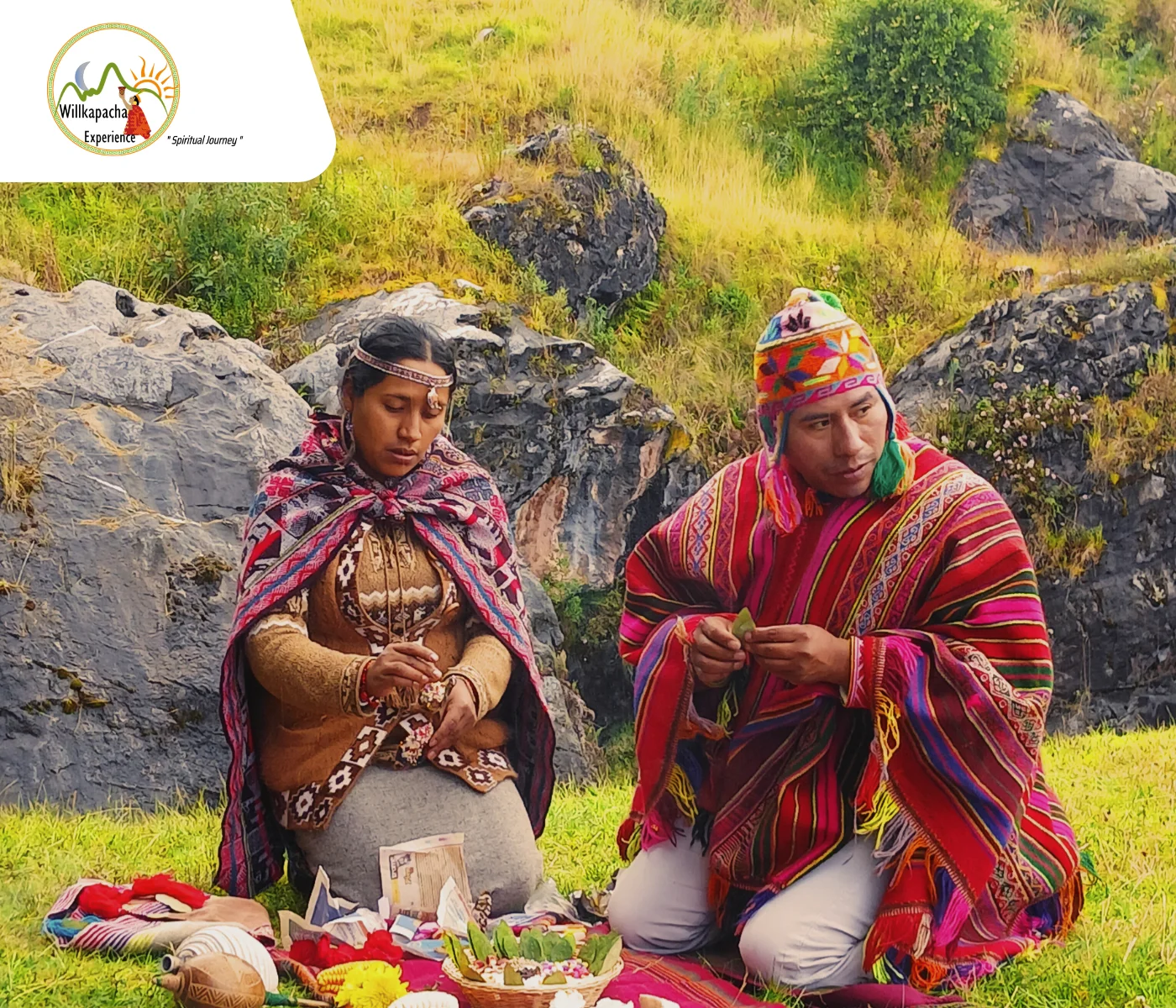
Retreats here, including the Willka Pacha Experience, draw from both Andean and Amazonian traditions. You’re not getting a diluted version of the Peru ayahuasca ceremony. You’re getting a container that’s been shaped for someone who hasn’t done this before. The support is closer. The setting is gentler. The medicine is just as real. What is Wacuhuma? Gather the essential information to better understand this sacred plant and prepare for the experience.
This is also the region to choose if you want to combine healing with being somewhere extraordinary. The Sacred Valley is 2 hours from Machu Picchu. Ancient Incan sites are in your backyard.
3. Tarapoto and the Cloud Forest
Halfway between jungle and highlands. Less touristy than Cusco, less remote than Iquitos. If you want authenticity without the intensity of deep jungle immersion, the cloud forest region is worth looking into. Centers here tend to blend lineages, and the smaller scale means you’re rarely in a crowd.
What Actually Happens at a Peru Ayahuasca Retreat?
People are constantly curious about the ceremony. But the ceremony is actually the middle of the story.
A proper safe ayahuasca retreat Peru experience starts days before you drink anything. Here’s the honest sequence:
- You arrive and fill out your medical intake. Your health history, medications, and mental health background. Any center skipping this step should send you running.
- The preparation day(s). You start the plant diet, meet the team, and set your intentions. No phone, no alcohol, no distractions. This is not optional.
- Ceremony night. Held in complete darkness, usually from around 8 pm to 3 or 4 am. The shaman sings icaros, healing songs passed down through lineage, while you sit with whatever comes up. There’s no describing it adequately. You’ll know when you’re in it.
- Integration mornings. The next day, in a circle, people talk. What surfaced. What scared them? What cracked open? This is where a lot of the actual healing happens.
- Time between ceremonies. You should do plant baths, journal writing, nature walks, and rest in the free time between ceremonies. Your nervous system needs this.
- Closing. A final ritual, gratitude, and preparation to re-enter normal life.
Most serious retreats are 7–14 days with 3 to 6 ceremonies. Some go deeper with 21-day diets. At Willka Pacha Experience, 2-day and 3-day Discovery Retreats also exist for people who can’t take two weeks off but still want to do this properly. Experience how a San Pedro ceremony encourages healing and spiritual growth.
What to Actually Look for in the Best Ayahuasca Retreat in Peru?
Most people shortlist retreats based on photos and price. That’s backwards. Here’s what matters:
The Shaman’s Lineage: Ask the Hard Questions
- How long has the healer been working with this medicine?
- Who taught them?
- Are they from an indigenous community with generational knowledge?
- Or did they complete a retreat program three years ago and start calling themselves a curandero?
These are fair questions. Any legitimate center will answer them directly.
At WillkaPacha Experience, ceremonies are led by Maestro Wayra, a shaman rooted in both Andean and Amazonian traditions, not someone who learned from a YouTube series.
Medical Screening Isn’t Optional
Ayahuasca retreat contains MAOIs. Mixed with SSRIs, certain antidepressants, blood pressure medications, or recreational drugs, it can cause serotonin syndrome, which is life-threatening. Any retreat that doesn’t do a full medical intake before accepting you is gambling with your health.
If you’re on any prescription medication, speak to your doctor before booking anything. You may need to taper off certain medications weeks before arriving. Reputable retreats will walk you through this. The ones to avoid will just take your money and figure it out later.
Integration Support Is Where the Real Work Happens
The ceremony plants the seed. Integration is how it grows. If a center doesn’t offer structured integration before, during, and after your retreat, what you experienced will fade. Worse, it can destabilize you without proper grounding.
Look for:
- Pre-retreat preparation calls or materials
- Daily integration circles during the retreat
- Post-retreat follow-up (even just a check-in email means something)
- A community you can stay connected to
Group Size Tells You About Priorities
A shaman working with 40 people in a ceremony cannot give you the individual attention that plant medicine requires. The sweet spot is 8–15 people. Small enough that the healer can actually see you, check on you, and adjust the medicine if needed.
Read the Reviews Like a Journalist
Don’t just count stars. Specifically, look for how the team responds when someone has a difficult experience. Was medical help accessible? Did people feel safe or just entertained?
How Much Does a Peru Ayahuasca Retreat Actually Cost in 2026?
| Retreat Type | Duration | Price Range (USD) |
| Budget / Village Centers | 7 days | $950 – $1,500 |
| Established Mid-Range Centers | 7 days | $1,500 – $3,000 |
| Premium & Luxury Retreats | 7 days | $3,000 – $8,400 |
| Short Discovery Retreats | 2–3 days | $300 – $800 |
Source: Retreat Guru, AyaAdvisors, Arkana International
A $950 retreat isn’t automatically bad. But if that price means no medical screening, one shaman managing 30 people, and no integration support, you’re not saving money. You’re taking on risk.
The question isn’t “what’s cheapest?” It’s “What level of care do I deserve for something this significant?”
Warning Signs: How to Spot a Retreat You Should Walk Away From
Peru has had cases of tourists harmed at unverified centers. In April 2024, a woman named Rachael Dixon died after drinking ayahuasca at a retreat with no proper medical screening process. That story is not here to frighten you. It’s here because it’s true, and first-timers deserve to know what negligence looks like.
Walk away from any retreat that:
- Doesn’t ask about your medical history or medications
- Promises you specific visions, “guaranteed breakthroughs,” or particular outcomes
- Runs ceremonies with 30+ people and one healer
- Has no integration program whatsoever
- Can’t clearly explain the shaman’s background or lineage
- Rushes you into booking with urgency tactics or heavy discounts
Trust the ones that ask you hard questions before they take your money.
For more details, please also refer to this blog:
People May Ask
1. Is ayahuasca legal in Peru?
Yes. In Peru, ayahuasca is legal for use in ceremonial and indigenous healing contexts. It’s not classified as a controlled substance here. Centers operate above board.
2. How long should my first retreat be?
Seven days is the honest minimum. It gives you time to prepare, sit in 2–3 ceremonies, and actually integrate before you leave. If life only allows 2–3 days, a properly structured discovery retreat like the ones at Willka Pacha Experience can still be meaningful. But don’t rush what deserves time.
3. Can I visit Machu Picchu and do a retreat on the same trip?
Yes, and this is one of the most powerful combinations I’ve seen people do. The Sacred Valley sits between Cusco and Machu Picchu. You’re in one of the most spiritually charged landscapes on earth, going inward and outward at the same time. Willka Pacha Experience even offers retreats that weave sacred site visits into the journey itself.
4. What do I eat before arriving?
You’ll follow a specific dieta, usually starting 1 to 2 weeks before the retreat. That means no alcohol, pork, red meat, aged cheeses, fermented foods, or recreational substances. Your retreat will send you a full list. Stick to it. It’s not about restriction, it’s about preparation. The cleaner your system, the deeper the medicine can work.
5. What if I’m not “spiritual”?
That’s fine. Plant medicine doesn’t care about your belief system. What matters is intention, knowing what you want to heal or understand and a genuine willingness to be honest with yourself. Most people who arrive at Willka Pacha Experience don’t come from spiritual backgrounds. They come because something in their life stopped working and they want to understand why.
Why the Sacred Valley Keeps Answering the Question “Where Can I Find an Ayahuasca Retreat”
There’s something about sitting in ceremony with the Andes outside the window that doesn’t translate well into words. The mountains here aren’t just scenery. For the Inca, they were living beings, Apus, spirit guardians. That understanding still exists in the people who work here.
Willka Pacha Experience sits inside this. The ceremonies draw from both Andean Qero and Amazonian Shipibo traditions. Maestro Wayra doesn’t just lead the ceremony; he’s present throughout the retreat. In preparation. In the closing. In the moments at 2am when you need someone sitting beside you.
The setting is small by design. You know the names of every person there. The food is prepared specifically for the dieta. The land itself is part of the healing.
If you’re asking where I can find an ayahuasca retreat in Peru that holds you from the moment you arrive, this is the answer I keep coming back to.
3 Things to Carry With You From This Guide
1. Peru is the real thing, but not all of Peru is equal.
The Sacred Valley is the most accessible and supportive entry point for first-timers. Iquitos is deeper but harder. Know what you’re walking into.
2. Safety is the only filter that matters.
Medical screening, small groups, real lineage, and integration support are non-negotiables. Everything else is secondary.
3. The right retreat asks as much of you as you ask of it.
The hardest question isn’t where can I find an ayahuasca retreat in Peru; it’s whether you’re actually ready to show up honestly once you find one.
Take the Next Step
If you’re feeling called to this, WillkaPacha Experience offers 2-day, 3-day, and 7-day ayahuasca retreat journeys in Peru’s Sacred Valley, led by Maestro Wayra, rooted in authentic Andean and Amazonian tradition.
See Upcoming Retreat Dates → willkapachaexperience.com
Questions before you commit? Every message gets a real reply from the team: not a chatbot, not a template.
The content is really great