You’ve read the studies. Maybe you’ve watched the documentaries also. You’ve heard from someone who came back from Peru changed, quieter, clearer, and less afraid.
And now you’re considering a plant medicine retreat yourself.
That’s not a small decision, especially if you’re managing anxiety or depression. A 2021 study published in PLOS ONE found that 78% of ayahuasca participants reported significant reductions in depression symptoms. But the same research noted that preparations, including medical screening, were one of the strongest predictors of a safe experience.
Most guides skip the doctor conversation entirely. This one will focus on that.
Why Your Doctor Needs to Know Before You Go
Many Americans assume a plant medicine retreat is just a travel decision. It’s not.
Ayahuasca contains MAOIs, monoamine oxidase inhibitors. These compounds are what make the beverage psychoactive. These also make certain medications dangerous when combined with it.
SSRIs, SNRIs, lithium, tramadol, and several other common prescriptions can cause serotonin syndrome when combined with MAOIs. Serotonin syndrome can be life-threatening.
Your doctor doesn’t need to approve your decision. They need to know what you’re planning so they can help you taper safely, flag contraindications, and monitor you before and after.
Go in without that conversation, and you’re taking a risk that has nothing to do with the ceremony itself.
The Medications To Skip Before an Ayahuasca Retreat Peru
If you’re treating anxiety or depression, there’s a good chance you’re on one of the following: sertraline, fluoxetine, escitalopram, venlafaxine, duloxetine, or bupropion. All of these interact with MAOI-containing plants.
The washout period of different components varies. SSRIs like fluoxetine (Prozac) can take five weeks to clear fully. Most others need two to four weeks.
You can’t stop these medications suddenly. Doing so causes
- Discontinuation syndrome
- Brain zaps,
- Bizziness,
- Mood crashes.
Your doctor needs to build a taper schedule that gets you clear in time for your retreat.
Tell your doctor the exact dates of your retreat. Bring the ceremony schedule if you have one. Give them enough lead time. Ideally three months before you travel.
What to Tell Your Doctor at That Appointment
Visit the doctor with this list ready. Don’t assume your doctor will ask the right questions.
Say, “I’m planning to attend an ayahuasca retreat in Peru. The brew contains MAOIs. I want to review my medications for interactions and discuss whether tapering is appropriate.”
Then cover these points:
- Every prescription medication you’re on, including dose and how long you’ve taken it.
- Any supplements, high-dose melatonin, which also interact with MAOIs
- Your history with manic episodes or psychosis (ayahuasca can intensify these)
- Any cardiovascular conditions: blood pressure can spike significantly during ceremony
- Your current mental health stability, not whether you’re “ready,” but whether you’re in a place of baseline functioning
Your doctor may not know much about ayahuasca. That’s fine. The pharmacology is well-documented. Bring the MAPS ayahuasca drug interaction guide if it helps the conversation.
What Most Plant Medicine Retreat Guides Don’t Tell You
- The preparation starts weeks before you land. Dietary restrictions, the dieta aren’t ceremonial window-dressing.
- Avoiding aged cheeses, fermented foods, alcohol, and certain proteins reduces tyramine load in the body, which matters because MAOIs block tyramine breakdown. Ignore the dieta and you can experience a hypertensive crisis.
- Crying on an SSRI is often impossible. Many participants on antidepressants who attempt a ceremony without tapering report feeling nothing not because ayahuasca didn’t work, but because the receptor sites are already occupied. The washout period isn’t just about safety. It’s about access.
- Altitude affects the experience more than most people expect. Cusco sits at 11,000 feet. Arriving the day before your ceremony and going straight in is a recipe for nausea, headache, and a destabilized nervous system before the brew even hits.
- Integration is where the mental health benefit actually happens. The ceremony opens something. What you do in the weeks afterward, journaling, therapy, and reducing stressors, is what determines whether that opening becomes lasting change.
Ask your therapist before you go if they’re willing to support post-retreat integration sessions.
- Some retreat centers screen out applicants with active suicidal ideation. This isn’t judgment; it’s a clinical boundary. If you’re in acute crisis, a retreat is not a substitute for immediate psychiatric care. The best centers will say this to you directly. If they don’t ask about your mental health history at all, that’s a red flag.
The Right Ayahuasca Retreat Peru for Anxiety and Depression
Not all retreat centers operate the same way. For people with anxiety or depression, the structure around the ceremony matters as much as the ceremony itself.
Look for these specifics:
Pre-screening: A reputable center sends a health questionnaire before accepting your booking. It should ask about medications, psychiatric history, and cardiovascular conditions.
Willka Pacha Experience does intake screening as part of its booking process; if a center skips this step entirely, consider it a warning sign.
Integration support: The days after the ceremony are vulnerable. Good centers build in rest time, one-on-one check-ins, and space to process. Ask what happens after the ceremony ends.
Experienced facilitators: The curandero or shaman running your ceremony should have documented experience.
- Ask how long they’ve been working with plant medicine.
- Ask who trained them.
A legitimate center won’t be defensive about these questions.
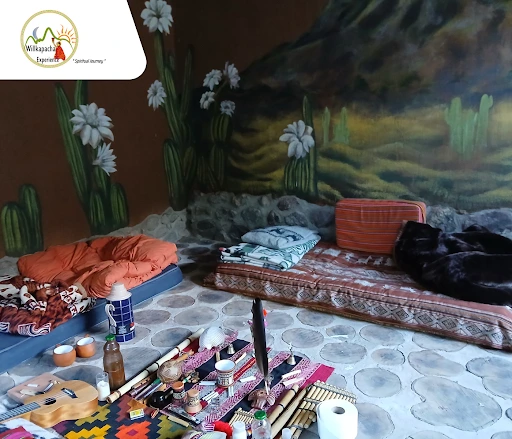
A Cusco ayahuasca retreat offers the added layer of being in the Andes, one of the original homelands of plant medicine traditions. That geographic and cultural context matters to many participants, and Willka Pacha’s setting reflects centuries of indigenous Andean practice.
Ayahuasca Retreat Costs
Cost varies widely. Here’s what the current market looks like for US travelers heading to Peru.
| Retreat Type | Duration | Typical Cost (USD) | What’s Usually Included |
| Single ceremony | 1 night / 2 days | $300 – $600 | Ceremony, accommodation, meals |
| Short retreat | 3 days / 2 nights | $600 – $1,200 | 2 ceremonies, meals, integration circles |
| Immersive retreat | 5–7 days | $1,200 – $2,500 | Multiple ceremonies, full board, guided activities |
| Extended programme | 10+ days | $2,500 – $5,000+ | Deep immersion, additional plant medicines, aftercare |
Flight from major US cities to Cusco typically runs $600–$1,100 return. Budget for acclimatization accommodation (2–3 nights in Cusco pre-retreat), travel insurance, and any pre-travel medical appointments.
Willka Pacha offers retreats starting from single ceremonies right through to 7-day programs that include Machu Picchu. See the full retreat options and pricing here.
Frequently Asked Questions
Is it safe to attend an ayahuasca retreat if I have anxiety or depression?
Yes. The key is completing a thorough taper of prohibited medications before the ceremony, under medical supervision.
What is the best ayahuasca retreat in Peru for first-timers?
The first-timers should try a 3–5 day retreat. Willka Pacha’s 3-day retreat consists of two ceremonies and post-ceremony integration for enough exposure.
How much does an ayahuasca retreat in Peru cost?
Most reputable retreats run $600 to $2,500 depending on duration and what’s included. Budget an additional $700–$1,200 for flights from the US. The total cost for a week in Peru typically lands between $2,000 and $4,500.
How long before the retreat do I need to stop antidepressants?
Consult with your doctor to build a safe quit plan based on your dose and history. Fluoxetine requires the washout, up to five weeks. Most SSRIs and SNRIs need two to four weeks.
What is a Cusco ayahuasca retreat like compared to jungle-based retreats?
Cusco retreats take place in the Andean highlands rather than the Amazon basin. The altitude, landscape, and cultural tradition are different, more rooted in Quechua cosmology than Shipibo traditions. Neither is inherently better. Cusco tends to suit participants who want to combine plant medicine with Andean sacred sites and mountain energy.
Before You Book: Three Things That Will Actually Prepare You
First: The doctor conversation isn’t optional. Get it done three months out, not three weeks. That gives you time to taper properly and enter the ceremony with a clean system.
Second: The best results from a plant medicine retreat come to people who arrive prepared and leave with a plan. Talk to a therapist who’s open to psychedelic-assisted healing before you go. Ask them to hold space for integration sessions when you return.
Third: The retreat center matters. Ask about screening, facilitation experience, and what happens after the ceremony. A center that can’t answer those questions clearly isn’t one you want to be vulnerable with.
Willka Pacha Experience runs structured ayahuasca and plant medicine retreats in Cusco, with programs starting from a single ceremony. Browse the full retreat calendar and book a pre-retreat consultation at willkapachaexperience.com.