You’re sitting in a maloca in the Sacred Valley at 8 pm, candles flickering. The maestro asks one question: ayahuasca or San Pedro? Most people, while booking their first ayahuasca retreat in Peru, can’t answer that with confidence. The guides they’ve read only cover the ceremony night, not the details and the differences between them.
Researchers with ICEERS and the University of Melbourne say Peru hosts over 36,000 plant medicine visitors a year. That’s across 173-plus centers. This guide goes further than the ceremony itself. It walks through the part that almost nobody explains well: integration day.
Ready to Book an Ayahuasca Retreat in Peru?
Willkapacha Experience pairs you with maestros who’ve led ceremonies for over a decade.
Why This Comparison Matters Right Now
Plant medicine tourism to Peru keeps climbing. So does the number of unlicensed operators cashing in on it. A 2023 Rainforest Journalism Fund report documented fake shamans in Tarapoto. They target tourists who don’t know what a legitimate center looks like.
That’s the real risk while finding the real Peru ayahuasca retreats: you land with the wrong facilitator. You get turned away or handed a diluted brew by someone with no real training.
The consequence isn’t just a wasted trip. Ayahuasca and San Pedro both carry real medication interactions. Both demand a body that’s ready for hours of physical and psychological work. Walking in blind raises your risk.
The solution is knowing what separates these two medicines before you book.
- Ayahuasca works through a vine-based brew, taken at night, and tends toward intense, visionary states.
- San Pedro comes from a cactus and runs during the day. It unfolds more gradually, over eight to fourteen hours.
Willkapacha Experience screens every guest with a health questionnaire and a facilitator call before confirming a booking, matching you to the right maestro and ceremony for your intention.
Signs You Might Be Ready for a Ceremony
| Sign | What It Means |
| You’ve felt “stuck” in the same pattern for over a year | A common reason people seek ayahuasca is for perspective shifts |
| You want gentler, gradual insight rather than an intense night | San Pedro’s slower onset may suit you better |
| You’re on SSRIs, MAOIs, or other psychiatric medications | You need a medical screening before either ceremony. This isn’t optional |
| You’ve done inner work before (therapy, meditation) | You’ll likely integrate the experience faster |
| You’re seeking a one-time “fix” with no follow-through plan | A red flag plant medicine works best with real integration support |
Ayahuasca vs San Pedro: The Two Paths
Ayahuasca Ceremonies
Ayahuasca is a brewed tea made from the caapi vine and chacruna leaf, held at night under a maestro’s guidance.
● Ceremonies typically run 4-6 hours, starting after sunset
● Known for vivid, often visionary states and deep emotional release
● Requires a strict diet beforehand: no pork, alcohol, or fermented foods
● Best suited to people ready for an intense, unfiltered inner journey
San Pedro Ceremony
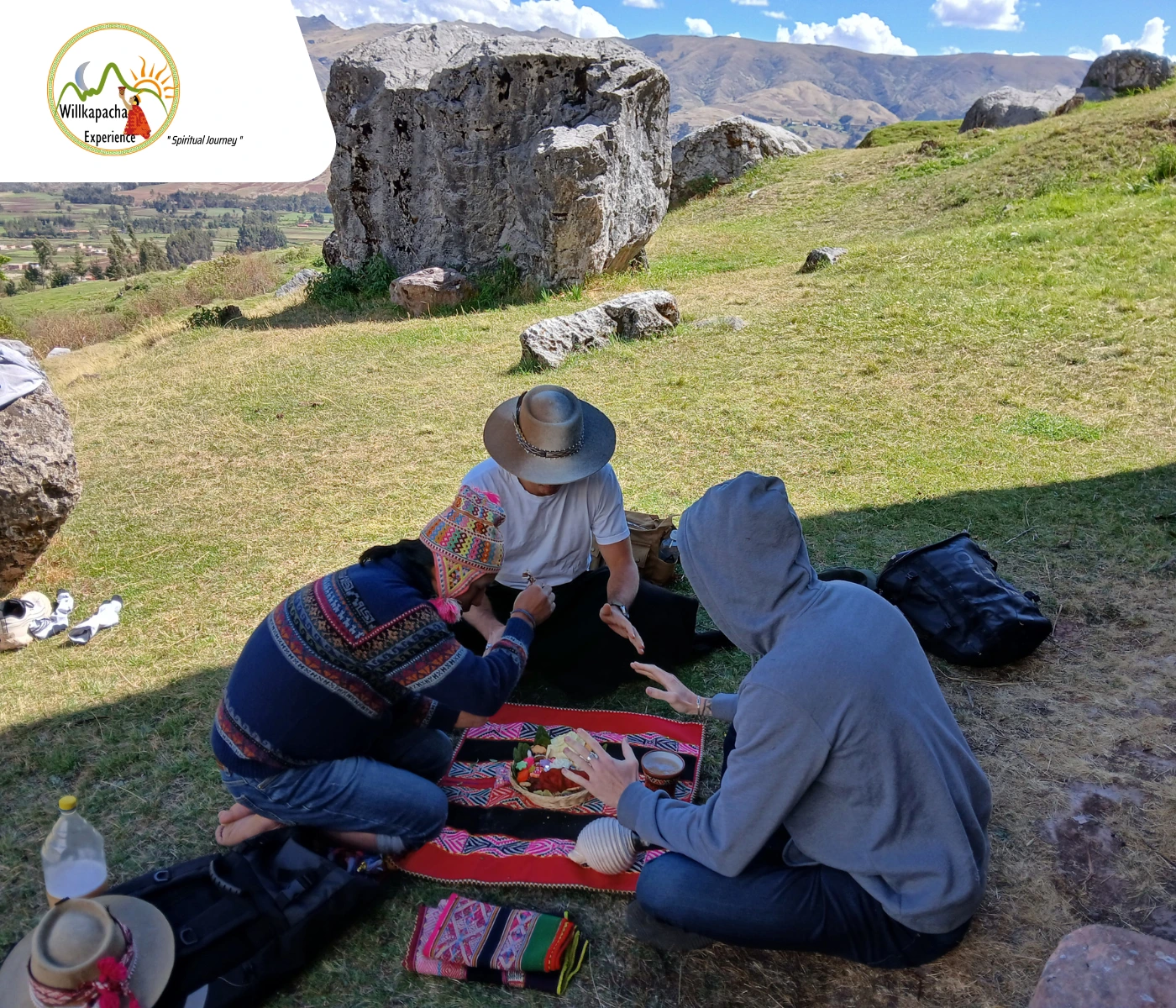
A San Pedro ceremony uses the Huachuma cactus, consumed during daylight hours in a slower, more grounded process.
● Sessions run 8-14 hours, often outdoors in nature
● Gentler onset with a more expansive, heart-centered feel
● Fewer dietary restrictions than ayahuasca, though prep still matters
● A strong entry point for first-timers wary of ayahuasca’s intensity
Combined Retreats
Some travelers book both medicines across one retreat, spaced several days apart.
● Lets you compare the two directly, guided by the same facilitation team
● Requires a longer stay, usually seven to ten days minimum
● Needs a facilitator experienced in sequencing both medicines safely
Preparation Must Work With Your Diet
Both ceremonies don’t work in isolation. The medicine only does its job if your body arrives ready for it. The diet isn’t a suggestion; it’s the foundation.
Willkapacha Experience sends every guest a two-week prep plan. It covers food, medication timing, and a facilitator check-in call seven days out. If you skip the diet, then you risk nausea or a weaker experience. In rare cases, particularly if you’re tapering off antidepressants, it can mean a dangerous interaction.
Benefits People Report After Ceremony
● Reduced anxiety and rumination in the weeks following integration
● A clearer sense of purpose or direction after a long period of stuckness
● Processed grief that talk therapy hadn’t fully reached
● A felt sense of connection to self, others, or something larger
Still Deciding Between Ayahuasca and San Pedro?
Talk to a Willkapacha facilitator before you book.
Schedule a Free Consult →
How to Choose the Right Retreat in Peru
● Confirm the maestro’s lineage. Ask who trained them and for how long
● Check for an on-site or on-call medical professional, not just a “wellness advisor.”
● Read reviews that mention specific integration support, not just the ceremony
● Verify the center screens for medication interactions before confirming your date
The Willkapacha Readiness Framework
We built this framework after watching which guests integrated fastest and which ones struggled once they got home.
● Prepare: Dieta, medication review, and intention-setting before you arrive
● Participate: The ceremony itself, held by an experienced maestro
● Process: The flower bath, gratitude offering, and integration talk the morning
● Persist: A 30-day follow-up plan, so the work doesn’t fade once you’re home
Ayahuasca Retreat Cost Compared to San Pedro
| Factor | Ayahuasca Retreat | San Pedro Ceremony |
| Typical single-ceremony cost | $150-$300 | $100-$250 |
| Typical full retreat (5-7 nights) | $900-$2,200 | $700-$1,800 |
| Session length | 4-6 hours, night | 8-14 hours, day |
| Dietary prep required | Strict, 1-2 weeks | Moderate, several days |
| Best for | Deep, intense inner work | Gradual, heart-centered insight |
What Most Ayahuasca Retreat Guides Don’t Tell You
Most retreats end with the line “You drink the medicine.” The day after is where the real work happens. It’s also where most centers cut corners.
The Flower Bath (Baño de Florecimiento)
● Local flowers and plants are steeped and then poured over you outdoors, usually mid-morning
● The intent is energetic, not cosmetic. It’s framed as closing the opening the ceremony created overnight
● Guests who get one consistently report feeling less “raw” heading into the maestro talk
● Willkapacha builds this into every retreat morning, not as an optional spa add-on
The Gratitude Offering
● Usually, coca leaves or tobacco are offered to the fire or buried in the earth
● This isn’t a photo moment. It’s how many maloca lineages mark that the ceremony’s work is formally closed
● Guests do this individually, at their own pace, before the group reconvenes
● Centers that treat it as a group photo-op are usually cutting the tradition short
The One-on-One Maestro Talk
● This is where the real interpretation happens, not during the ceremony itself
● The maestro asks what you saw or felt, then helps place it against your intention from before the ceremony
● Sessions typically run 20-40 minutes, one guest at a time, not a group debrief
● It’s the most-skipped step at budget centers, since it’s labor-intensive and doesn’t show up in marketing photos
Frequently Asked Questions
How much does an ayahuasca retreat in Peru cost?
Most retreats run $900 to $2,200 for five to seven nights. Price depends on location, group size, and whether San Pedro is included.
What’s the difference between ayahuasca and a San Pedro ceremony?
Ayahuasca is a vine-based brew taken at night with intense visionary effects. San Pedro is a cactus-based medicine taken during the day, gentler and slower over 8-14 hours.
Is ayahuasca legal in Peru?
Yes. Peru declared ayahuasca part of its cultural heritage in 2008. Ceremonies are legal when led by recognized practitioners.
How do I prepare for an ayahuasca retreat?
Follow a 1-2 week dieta avoiding alcohol, pork, and fermented foods. Stop certain medications early with a doctor’s guidance, and set a clear intention.
What happens during integration after the ceremony?
Most centers offer a flower bath, a gratitude offering, and a one-on-one talk with the maestro. Insights from the ceremony get grounded into daily life here.
Choosing Your Path Forward in the Sacred Valley
● Ayahuasca suits travelers ready for an intense, night-based, visionary experience
● San Pedro suits those wanting a gentler, daylight process with fewer dietary restrictions
● Integration day: the flower bath, gratitude offering, and maestro talk determines whether the work sticks
Your next ayahuasca retreat in Peru should include real integration support, not just a ceremony night. Book a free consult with Willkapacha Experience and get matched to the right medicine before you fly.