You’ve probably read three or four articles already and closed every single tab. None of them told you what actually happens once you’re sitting in that ceremony space, waiting for your turn.
That’s the real question behind what happens at an ayahuasca retreat. Peru welcomed over 36,000 visitors to ayahuasca retreats in a single year, according to a 2023 ICEERS report on ayahuasca tourism. And yet most of what’s out there online skips right past the practical stuff you need before you book a flight.
So here’s the walkthrough nobody gave you. Arrival day, the diet, the ceremony itself, and the morning after.
“What happens at an ayahuasca retreat?”
Every retreat looks a little different up close. A responsible one, though, follows a clear structure from health screening all the way through to integration support. WillkaPacha Experience builds that structure around the person in front of us, not a script we run for everyone.
Reach out to our team with your questions before you book anything.
Why Peru and the Sacred Valley Matter for Your First Ayahuasca Retreat
Ask ten US travelers why they picked Peru over anywhere else, and most will land on the same thing. This tradition wasn’t imported. It came up out of the Amazon and the Andes over hundreds of years, and Cusco happens to sit right where both worlds meet.
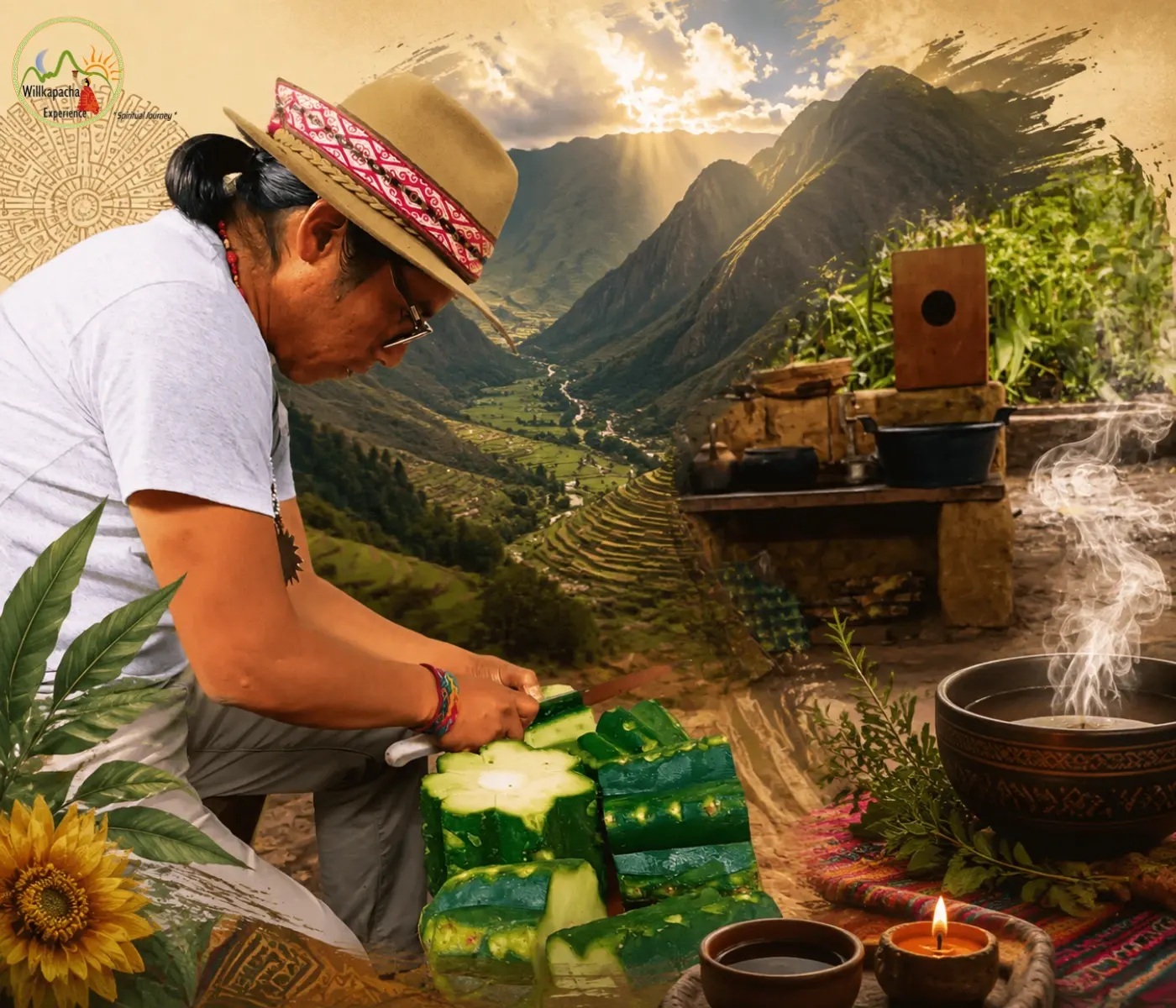
Then there’s the Sacred Valley itself. Terraced mountains that farmers still work by hand. Quechua communities that never let go of ceremonial life, even through colonization and everything after. The air feels thinner and a lot quieter than at home.
Cusco brings the lineage piece into it. A good number of the guides working here were trained under maestros who inherited the plant medicine tradition from their own grandparents, not from a certification course. You can feel that difference once you’re actually inside a ceremony.
Curious how retreat quality varies across the country?
Our guide to choosing an ayahuasca retreat gets into what separates a well-run center from one that’s just chasing bookings.
What Happens at an Ayahuasca Retreat? A Day-by-Day Experience
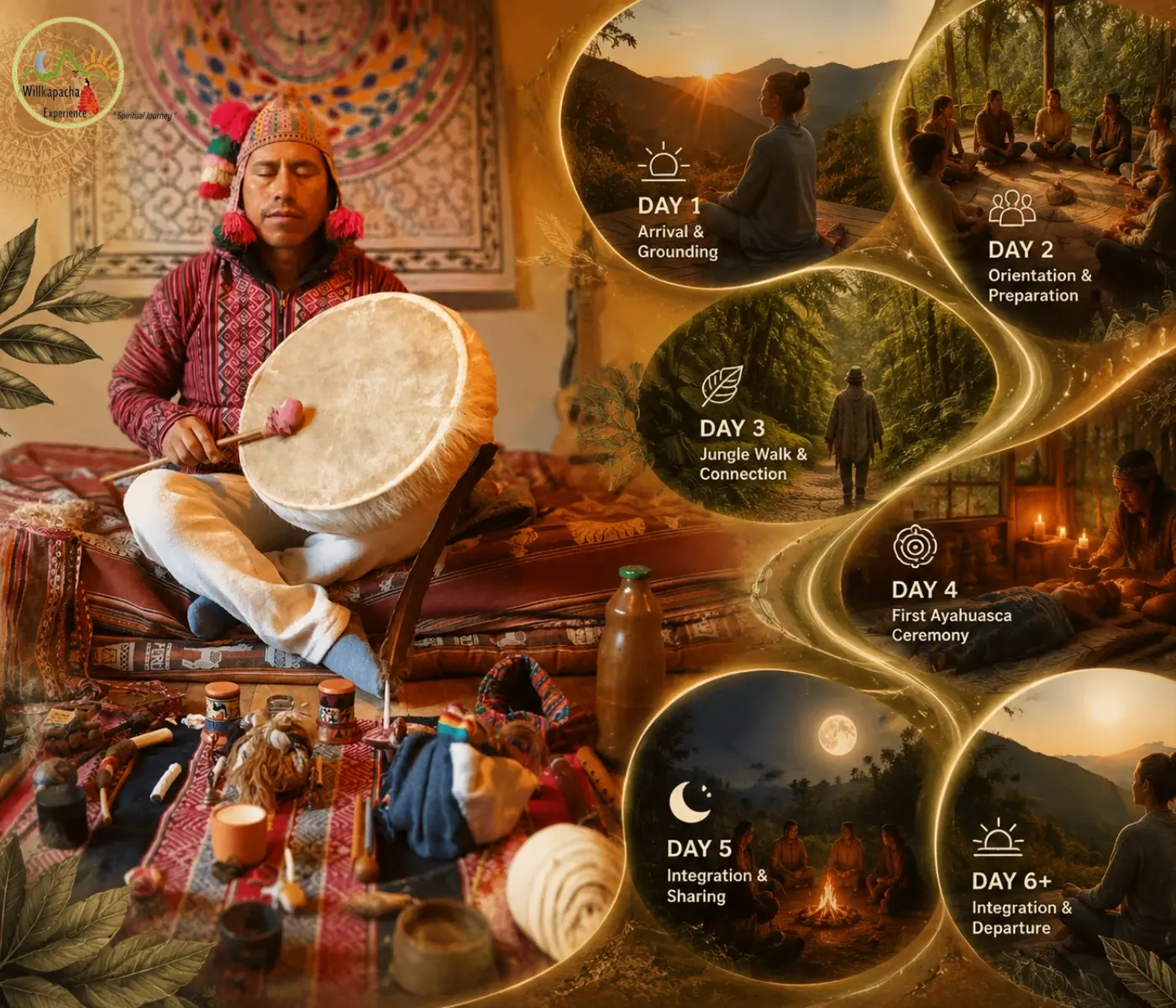
Most articles skip this part, or they gloss over it in two vague sentences. Your own days will look a bit different depending on the group and the season, but the general shape stays pretty consistent.
Arrival Day: Meeting Your Retreat Team and Setting Intentions
You land in Cusco, and the Ayahuasca retreat experience starts with the person who is waiting for you. That first conversation ends up mattering a lot more than people expect going in.
Facilitators will ask about your health history, sometimes in more detail than you’d expect from a doctor’s office. They’ll talk you through what the next few days actually look like. You’ll meet the rest of your group, usually just a handful of people, and start getting a feel for where you’re staying.
Somewhere on that first day, you’ll start thinking about why you’re really here. Skip the grand mission statement. An honest reason works better anyway.
Preparing Your Mind and Body Before the Ceremony
The ayahuasca retreat preparation diet isn’t there for tradition’s sake. Certain foods and substances genuinely interact badly with the plant medicine, so retreats have you cut them out in the days leading up to it.
A few of the common steps:
- Avoiding red meat, heavy fats, and processed food for several days
- Cutting out alcohol and recreational drugs well before arrival
- Easing off caffeine and sugar
- Sleeping more instead of cramming in extra sightseeing
- Writing down your intentions so they’re not just floating around in your head
| Preparation Step | Why It Matters |
| Avoiding heavy or processed food | Keeps digestion light and cuts down on physical discomfort during ceremony |
| Cutting out alcohol beforehand | Lowers the risk of unpredictable interactions with the medicine |
| Resting well before arrival | Helps your body handle the physical demands of ceremony night |
| Journaling your intentions | Gives you something to hold onto when emotions surface during the experience |
Ceremony Night: What Does an Ayahuasca Ceremony Feel Like?
What does an ayahuasca ceremony feel like, really? It depends on the person, and any writer who promises you a specific outcome hasn’t actually sat through one themselves.
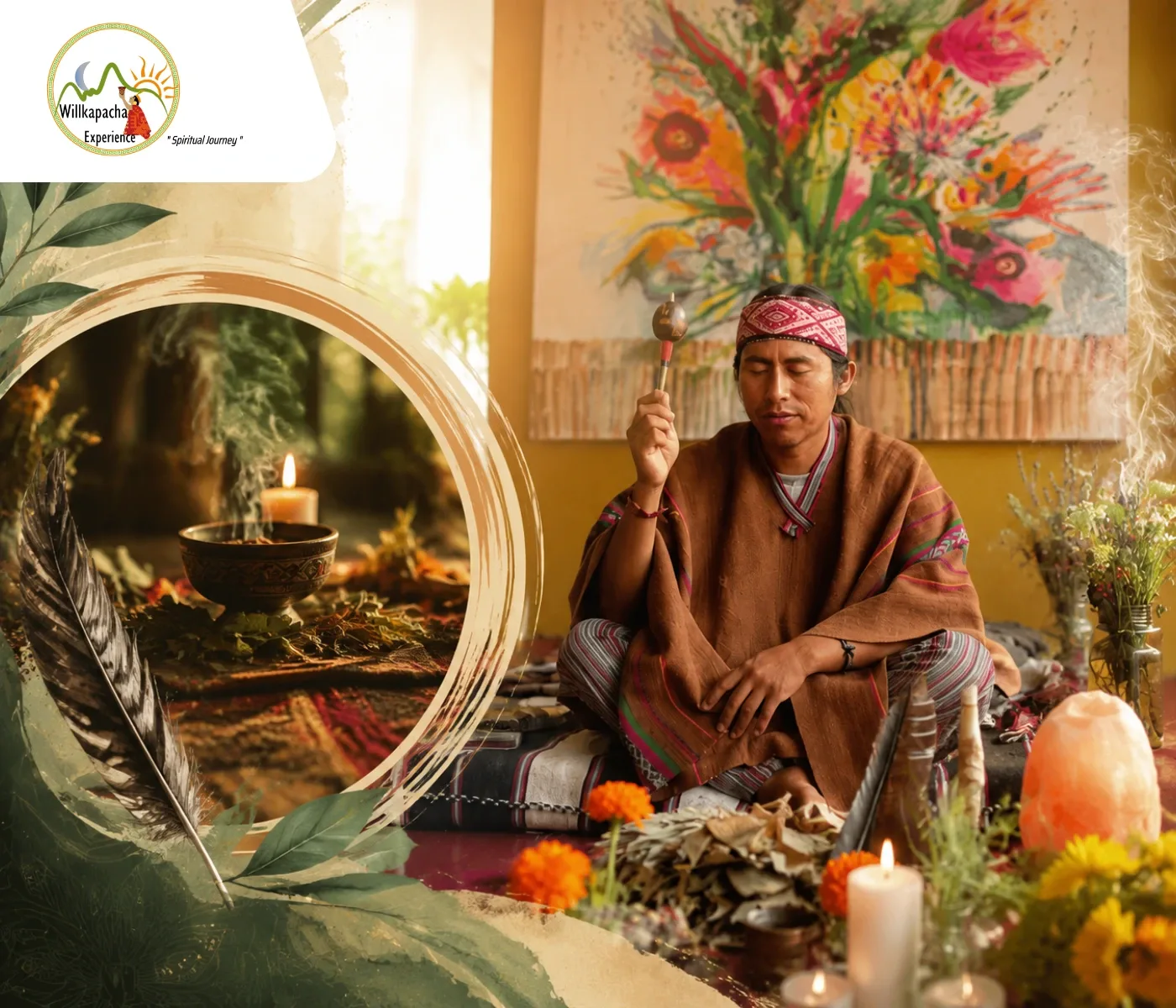
Ceremonies tend to start after dark, inside a maloca or some other quiet ceremonial space. A maestro leads the group, often singing icaros, the traditional ceremonial songs, through most of the night. Candles usually give off the only light in the room.
Now, thinking about the ayahuasca retreat peru, what to expect to happen?
You drink the medicine from a small cup, then you wait. Some people feel it in their body first, a warmth or a heaviness that settles in. Others go straight into visuals or a wave of emotion they weren’t expecting. Nausea and purging happen often enough that facilitators treat them as a normal part of the process rather than something gone wrong.
There isn’t one “best” version of this night. Some are intense. Some are quiet, almost uneventful by comparison. Both happen all the time.
Morning After Ceremony: Reflection and Integration
Mornings after the ceremony move more slowly, on purpose. A lot of retreats hold a sharing circle where people talk through whatever surfaced the night before, out loud, in front of the group.
You get time to rest, eat something simple, and get your thoughts down on paper while it’s all still fresh. Most facilitators will check in with you one-on-one as well.
That’s really where integration starts. Not one conversation and done. More like the opening stretch of something you’ll keep working through once you’re home.
Is Ayahuasca Safe? What First-Time Visitors Should Know
Under the right conditions, generally yes, but it’s not risk-free across the board. Certain medications, antidepressants especially, and certain health conditions can turn into serious complications fast.
Which is exactly why the ayahuasca ceremony in the Sacred Valley Perudisclosure matters before you ever book. A retreat that’s serious about safety will ask detailed health questions upfront, and it may turn away applicants whose history raises concerns.
| Safety Sign | What It Means |
| Detailed health intake form before arrival | The retreat is actively screening for risky interactions and conditions |
| Experienced facilitators are present throughout | Someone trained is watching for physical or emotional distress |
| Clear disclosure policy for medications | The center takes drug interactions seriously |
| Small group sizes | Facilitators can actually give people individual attention |
Anyone taking psychiatric medication, pregnant travelers, and people with cardiovascular conditions should talk to a qualified doctor before considering ayahuasca. Skip that step at your own risk. This ayahuasca retreat day-by-day schedule needs a prior consultation for your health.
What Should You Expect From an Ayahuasca Retreat in Peru?
Ayahuasca retreat Peru, what to expect usually boils down to a handful of things that hold steady no matter which center you choose, though the details shift from place to place.
Small Group Ceremony Experience
- Fewer guests per ceremony, nowhere near a tour-bus crowd
- Direct, personal contact with your maestro
- Room to ask questions before and after the ceremony
- A slower, calmer pace overall
Traditional Peruvian Guidance
- Facilitators trained in Andean and Amazonian ceremonial practice
- Icaros woven through the night, not tacked on for atmosphere
- Genuine respect for where this medicine actually comes from
- Guidance that goes further than just pouring the cup
Nature-Based Reflection Time
- Time outdoors in the Sacred Valley between ceremonies
- Quiet walks, or just sitting outside without an agenda
- Real distance from your phone and the news cycle
- Space to sit with whatever came up
Personal Integration Support
- Sharing circles the morning after the ceremony
- One-on-one check-ins with facilitators
- Journaling prompts to keep the experience alive
- Some guidance for what comes next once you’re back home
| Factor | What To Look For |
| Group size | Small enough that facilitators actually notice you |
| Preparation support | Clear diet and lifestyle guidance before arrival |
| Ceremony guidance | Maestros trained in traditional practice, not weekend courses |
| Location | A setting built for rest, not just convenient logistics |
| Integration support | Real follow-up once the ceremony ends, not radio silence |
What Should You Pack and Prepare Before Your Retreat?
- Loose, comfortable clothing for warm days and genuinely cold nights
- A journal and pen for intentions and morning reflections
- Toiletries and any prescribed medication, disclosed to the team ahead of time
- Copies of your travel documents and travel insurance info
- A light jacket, because the Andes cool off fast once the sun drops
What Does an Authentic Ayahuasca Experience Need to Include?
A genuine ayahuasca retreat experience has to work alongside real preparation and real aftercare. A single night in ceremony, on its own, doesn’t add up to much without the pieces around it.
Preparation gets your body and mind ready to handle the medicine without unnecessary risk. Aftercare, or integration, is the part that actually turns whatever happened that night into something you can use once you’re back in your routine. Skip either one, and that’s usually where things fall apart.
The Clarity-Connection-Integration Framework for Your Retreat Journey
This is roughly how we approach a retreat at WillkaPacha Experience.
Clarity: Before the ceremony starts, we help you name what you’re actually looking for, instead of walking in with a vague hope that something will just happen to you.
Connection: During your time here, you build a real relationship with the tradition itself, with your maestro, and with the Sacred Valley around you, not just with the plant medicine in isolation.
Integration: Once the ceremony ends, the harder part begins. We help you take what surfaced and actually fold it into daily life, one conversation and one journal page at a time.
“How do I know this retreat is the right fit for me?”
Ask us the hard questions and read Ayahuasca retreat Peru reviews. The details matter a lot more than any marketing copy will tell you.
Get in touch about upcoming retreat dates
What Most Ayahuasca Retreat Guides Don’t Tell You
- Not every ceremony is dramatic or visionary. Plenty of people have quiet, almost forgettable nights, and that’s fine.
- What you do in the weeks before arrival affects your comfort more than anything that happens once the ceremony starts.
- Integration gets treated as an afterthought online, when, honestly, it might matter more than the ceremony itself.
- A retreat’s screening process and aftercare structure tell you more than any five-star review ever will.
- Costs shift a lot depending on duration, accommodation, and what’s included, so treat pricing as a conversation with the team rather than a fixed number online.
Frequently Asked Questions
What happens during an ayahuasca ceremony?
You drink the medicine, then experience physical, emotional, or visual effects that vary quite a bit from person to person. A maestro guides the group through icaros and quiet observation for most of the night.
Is ayahuasca safe for first-time visitors?
It can be, with proper screening and experienced guidance in place. Certain medications and health conditions raise real risks, so being upfront about your history matters.
What should I eat before an ayahuasca retreat?
Most centers ask you to skip heavy fats, processed food, and alcohol for several days beforehand. Simple, light meals work best in that lead-up window.
How long does an ayahuasca ceremony last?
Most ceremonies run somewhere between four and six hours, usually starting after dark. The exact length depends on the group and how the night unfolds.
Why choose an ayahuasca retreat in Peru?
Peru holds one of the deepest, longest-running ayahuasca traditions anywhere, especially around Cusco and the Sacred Valley. That setting and lineage shape the whole experience in ways a newer retreat scene just can’t replicate.
Your Next Step Toward an Honest Ayahuasca Retreat Experience
By this point, what happens at an ayahuasca retreat should feel a lot less like a mystery and a lot more like something you can actually prepare for.
- What you do in the weeks before arrival shapes your comfort more than anything else on this list.
- Ceremony night looks different for everyone, and there’s no single right way through it.
- The real change usually happens after you’re home, during integration, not during the ceremony itself.
Contact WillkaPacha Experience to learn about upcoming retreat dates and ask us anything you’re still unsure about.