Typed “plant medicine ceremony” into Google more than once? You already know something in your life needs shaking loose.
Old grief. A stuck pattern. That nagging sense you’ve been on autopilot for years.
That part isn’t hard to admit. The hard part is knowing which medicine actually fits you. What a ceremony really looks like once the Instagram filter comes off. And how to tell a rooted tradition from someone just selling an experience.
This guide covers one of the more approachable starting points: a Wachuma (San Pedro) ceremony held in the mountains outside Cusco, Peru.
What Actually Is a Plant Medicine Ceremony?
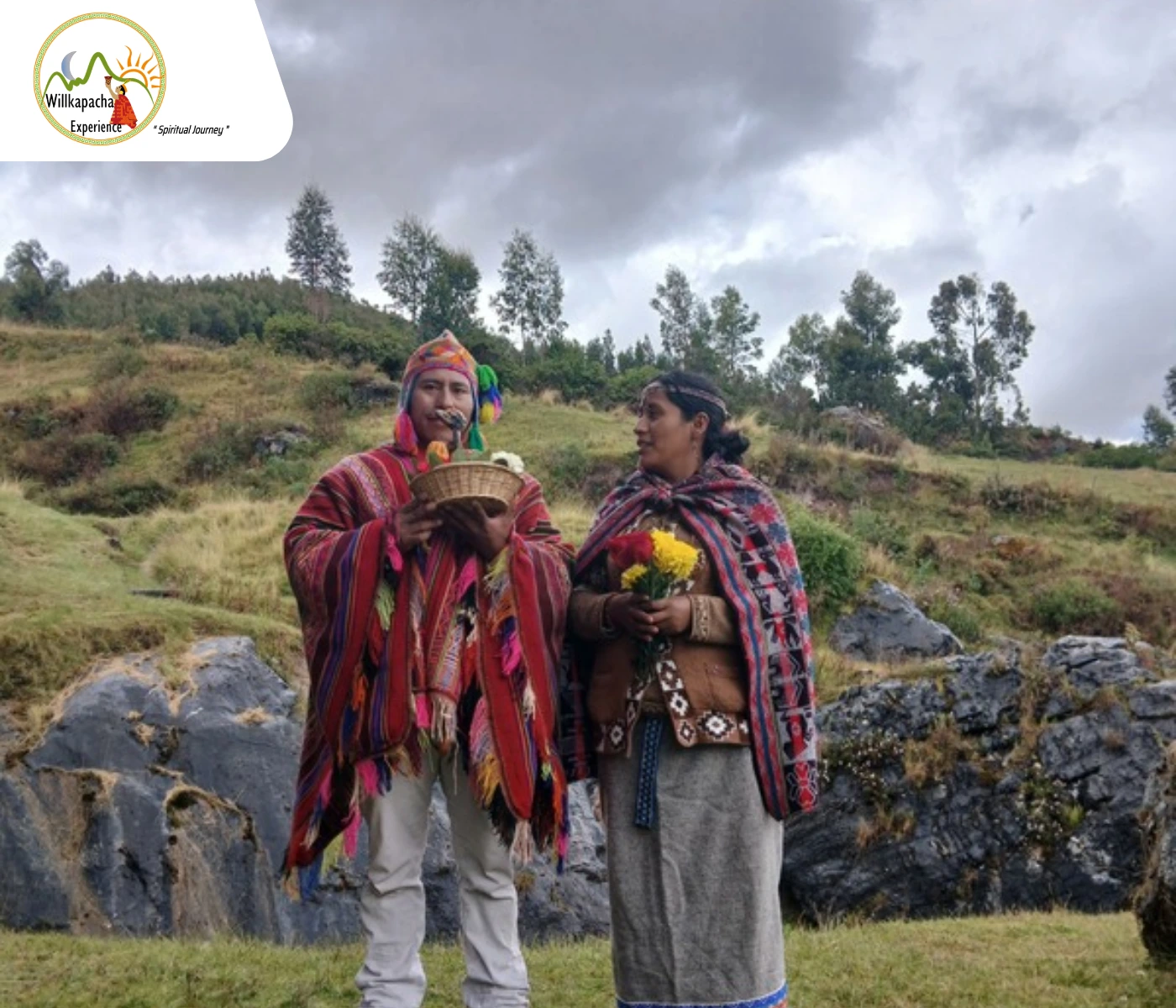
At its core, it’s a guided ritual. A sacred plant, usually Ayahuasca or Wachuma (the San Pedro cactus), gets taken under someone trained to hold the space.
That person is often called a Pacco or maestro in Andean tradition. There’s intention-setting beforehand. Music and prayer run through it. A facilitator whose whole job is keeping things safe.
It isn’t casual. It shouldn’t feel casual either.
Wachuma has deep roots here. Andean cultures across Peru, Ecuador, and Bolivia have used it for thousands of years, tied to pre-Columbian spirituality and ceremonies led by Andean pacos.
Unlike Ayahuasca, which happens at night and leans visionary, Wachuma runs during daylight. It’s heart-centered more than hallucinatory.
If you want the science side rather than the ceremonial side: the National Institute on Drug Abuse has a solid public breakdown of how classic psychedelics interact with brain chemistry (NIDA).
Wachuma or Ayahuasca? Not the Same Thing
People lump these two together constantly. Understandable, really. Both get filed under “plant medicine.” Both come from South America. Both carry a certain mystique online.
But the plants, the settings, and the experiences couldn’t be more different.
| Feature | Wachuma (San Pedro) | Ayahuasca |
| Source | Andean cactus (Echinopsis pachanoi) | Amazonian vine + leaf brew |
| Active compound | Mescaline | DMT |
| Setting | Daytime, outdoors | Nighttime, enclosed |
| Duration | 10-14 hours | 4-8 hours |
| Character | Grounding, heart-opening | Visionary, often intense |
Wachuma tends toward a heart-centered experience. A strong sense of connection to nature. Often described as gentle and expansive.
Ayahuasca comes out of Amazonian shamanism. It’s frequently described as intense, sometimes confrontational, sometimes including purging.
Neither is “better.” They just do different work.
First time near any of this? Wachuma is usually the softer landing. There’s a longer explainer on our What is Wachuma page if you want more before committing.
What Two Days at a Wachuma Retreat Look Like
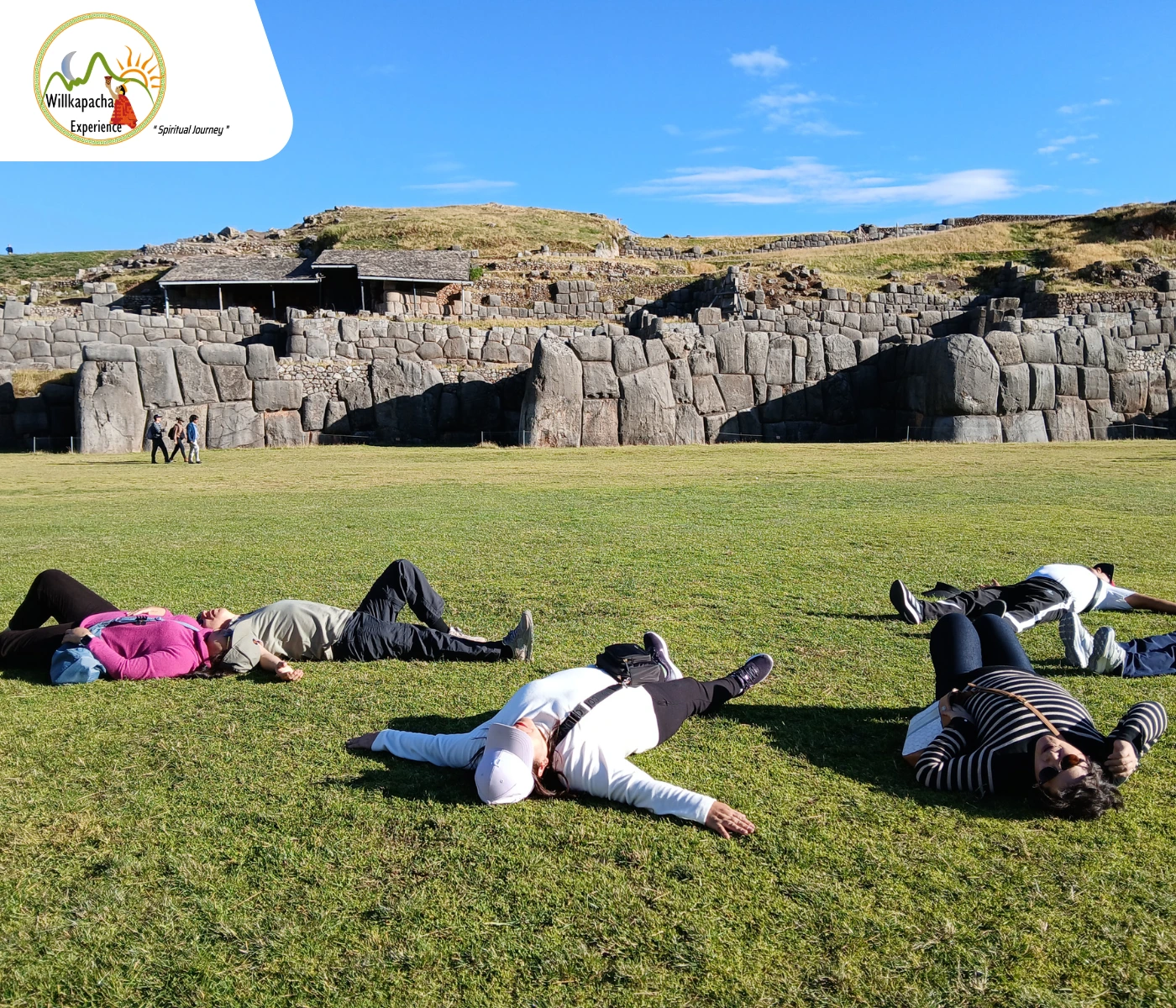
Nobody should walk in thinking “drink the medicine, see what happens, done.” A real retreat has structure on both ends.
Day One: The Ceremony
Pickup happens early from your Cusco hotel. Then about a 90-minute drive up to a ceremonial site; Killarumiyoq is a common one.
The ceremony runs the whole day. Led by a Pacco who typically works comfortably in Quechua, Spanish, and English.
Late afternoon, everyone heads back to the retreat house. A fire ceremony helps settle whatever surfaced. Then a proper organic meal.
Day Two: Integration
Morning starts with breakfast and a one-on-one talk with the maestro. This part matters more than people expect.
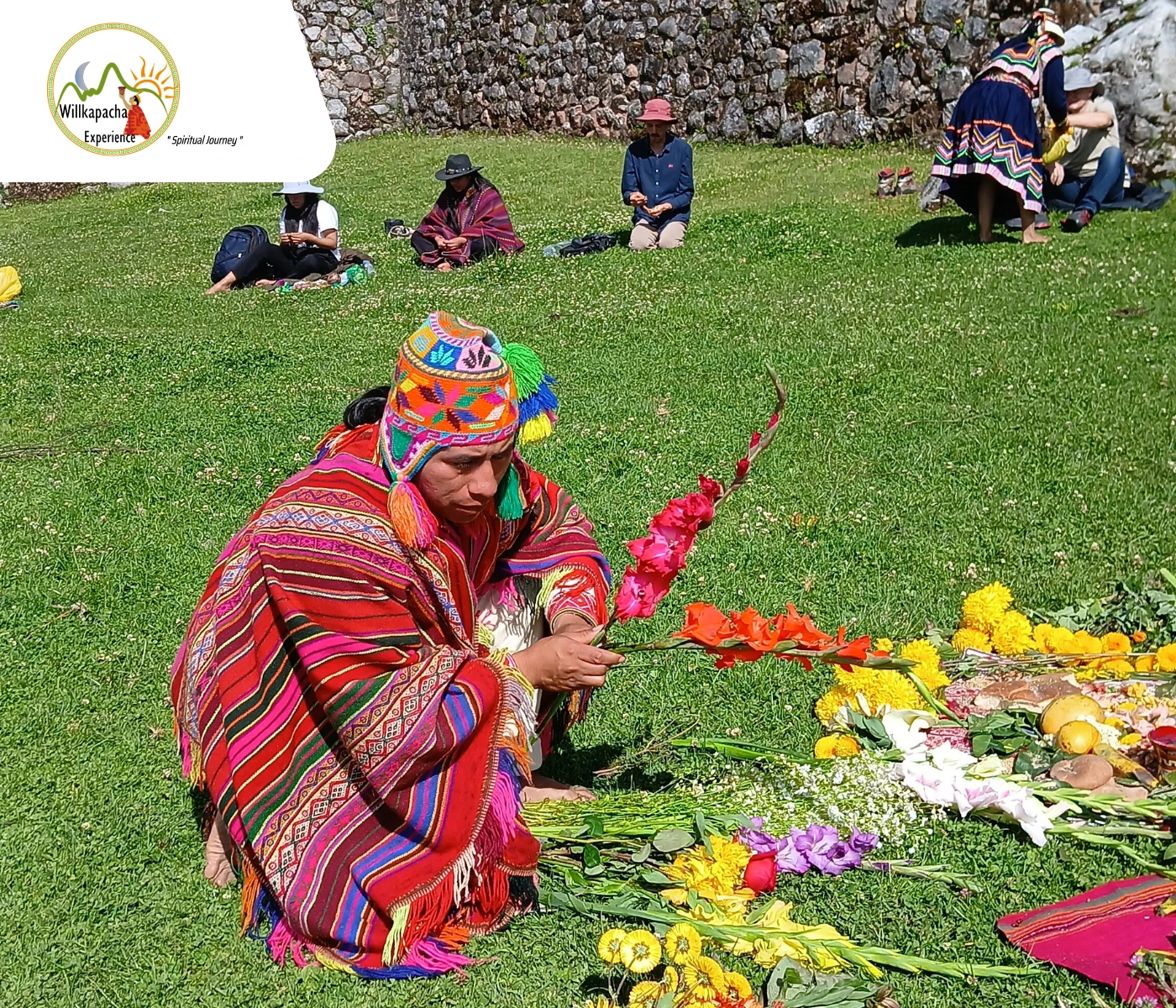
Later in the morning: a flower bath, a cleansing ritual to clear lingering energy. Then a gratitude offering to Pachamama and the mountains.
The retreat wraps with a light lunch and the ride back into Cusco.
Some travelers stretch things further. They pair this with our 3-Day Ayahuasca Retreat, or book a separate Despacho gratitude ceremony beforehand to set intention first.
What’s Actually Included
Retreats around this format, roughly $295 per person, usually cover:
- Private or double-room lodging at the retreat center
- Round-trip private transport from Cusco
- Ceremony leadership from an experienced Pacco or Hampicamayoq
- Ceremonial offerings: mineral water, Florida water, flowers, mapacho
- Light meals, snacks, and dinner
- One-on-one or group interpretation sessions afterward
What’s usually not included: your Cusco hotel stay outside the retreat dates, meals not specifically listed, and tips, which stay optional.
Before booking anything, check our full Ayahuasca retreat cost breakdown for Peru. Prices swing a lot depending on the operator.
Who Shouldn’t Rush Into This
Plant medicine work isn’t for everyone. Full stop. Any retreat that glosses over that is a red flag on its own.
Certain medications can interact badly with these plants. SSRIs, SNRIs, MAOIs, benzodiazepines, some antipsychotics.
A facilitator who knows what they’re doing will ask about your full medication history, supplements included. They might tell you to wait, or take a different path entirely, rather than let you proceed blind.
This isn’t hand-wringing for the sake of it. Peer-reviewed research on psychedelic-assisted work, including studies out of Johns Hopkins Medicine’s Center for Psychedelic and Consciousness Research, treats medical screening as a baseline requirement, not an extra (Johns Hopkins).
Pregnant travelers, anyone with cardiovascular issues, and anyone unwilling to follow the pre-ceremony diet (the “dieta”), should talk to a facilitator directly first.
Getting Ready for Ceremony
A handful of things make a real difference at altitude:
- Water storage. At least 2 liters worth. Cusco sits above 3,000 meters, and dehydration sneaks up fast.
- Sun protection. Hat, sunglasses, sunscreen. The sun hits harder up here than it feels like it should.
- Layers. Mornings and evenings run cold even in dry season.
- Real footwear. The terrain is uneven, natural, not paved trail.
- A written intention. Not something you pack, but probably the most useful thing you can bring.
Questions People Actually Ask
Can a total first-timer join a group ceremony?
Yes, and most people do. Group settings often carry a supportive energy for a first ceremony, as long as facilitators screen participants properly beforehand.
Do I have to drink the medicine to be there?
No. Plenty of people show up just to hold space, observe, and take in the music without ingesting anything themselves.
Will Wachuma fix addiction?
It can open a window. Some real clarity, a spark of motivation. But it’s not a cure on its own.
What actually sticks is the integration afterward: therapy, community, the small daily choices you make once you’re back down the mountain.
How long before I feel normal after the ceremony?
Most people feel physically clear by the next morning. Emotionally, it can take a few days to a couple of weeks for things to settle, especially if a lot came up. That’s normal, not a sign anything went wrong.
Is altitude sickness a concern on top of the ceremony itself?
It can be, since Cusco sits above 3,000 meters. Arriving a day or two early to acclimatize before the ceremony is a good idea, and staying hydrated matters more than most people expect. Mention any history of altitude issues to your facilitator ahead of time.
Thinking About Booking?
A genuine plant medicine ceremony comes down to what’s built around it, not the substance itself. The preparation. The guide. The integration work after.
Ready to take that step in Cusco with an experienced Pacco and a real safety process behind it? Reach out to our team about available dates, or check the full Wachuma retreat itinerary and booking details.