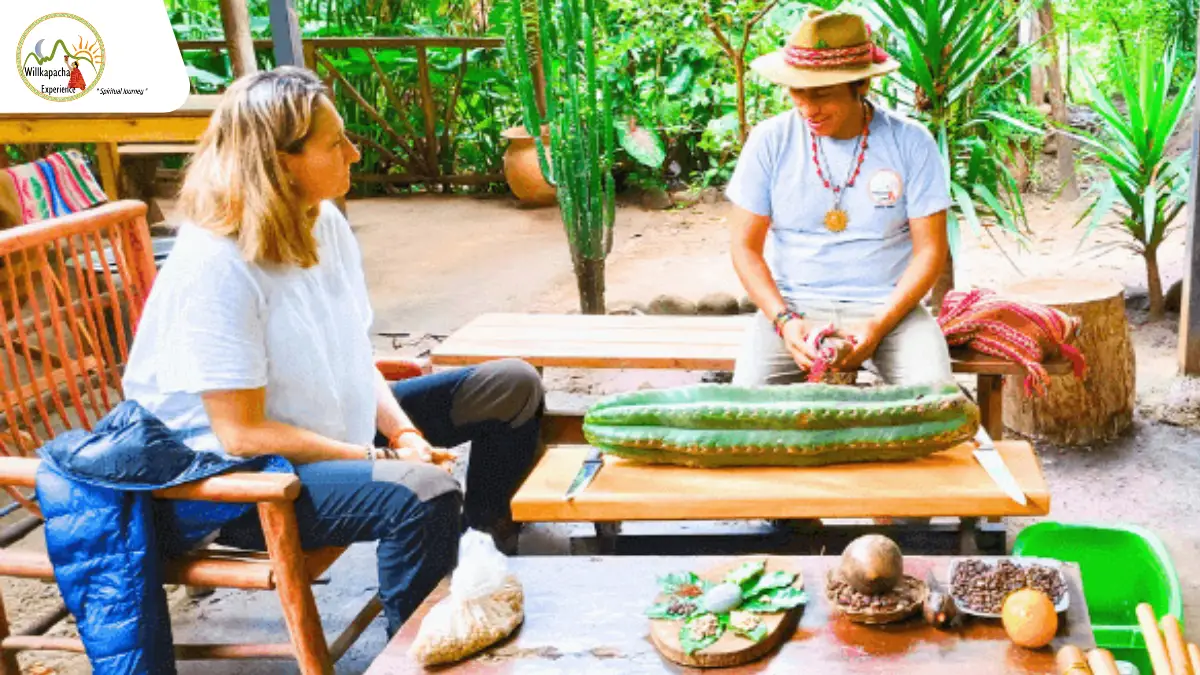
A San Pedro ceremony in Cusco is a sacred Andean healing ritual. Locals call the medicine Wachuma or Huachuma. People in the Andes have used this cactus for thousands of years for healing, clarity, and a deeper bond with nature.
At Willka Pacha Experience, the Wachuma Retreat 2D/1N brings this tradition to life in the Sacred Valley. Over two days, you take part in a San Pedro ceremony, a fire ceremony, a flower bath, and a gratitude offering to Pachamama.
This guide covers what the ceremony is, what happens each day, and how to prepare. It will help you decide if this plant medicine retreat in Peru is right for you.
What Is a San Pedro Ceremony?
A San Pedro ceremony is a guided ritual where you drink a brew made from the San Pedro cactus (Echinopsis pachanoi). This cactus grows in the highlands of Peru, Ecuador, and Bolivia. Its main active compound is mescaline.
In Quechua, the medicine is called Wachuma. People often describe it as a gentle, heart-opening teacher plant. Many feel a sense of unity, emotional release, and closeness to nature.
The ceremony usually takes place outdoors, during the day. The effects last around 10 to 14 hours. An Andean paqo (spiritual guide) leads it with prayers, offerings, and traditional music.
Why Experience a San Pedro Ceremony in Cusco?
Cusco was the capital of the Inca Empire. It sits about 3,400 metres (11,200 feet) above sea level. Today it is still the heart of Andean spirituality, where offerings to Pachamama and the mountain spirits (Apus) are part of daily life.
The retreat uses two sacred places in the Cusco region:
- Killarumiyoq temple: where the San Pedro ceremony takes place, about 1.5 hours by car from Cusco.
- Urubamba retreat house: in the Sacred Valley of the Incas, where you have the fire ceremony and stay the night.
Mountains, rivers, and ancient Inca stonework surround both places. Many guests say this helps them feel calm and grounded.
What Happens During the 2-Day Wachuma Retreat?
The retreat follows a clear rhythm: one full day of ceremony, then a day of integration and gratitude.
Day 1: The San Pedro Ceremony
- 7:00 AM: You’re picked up at your hotel in Cusco for the drive out to Killarumiyoq.
- Morning: Once you arrive, there’s time to settle in, look around the temple and get ready before the Wachuma ceremony begins.
- Afternoon: The ceremony carries on through the afternoon. Some people walk, some sit quietly, some talk with the Maestro. You go at your own pace.
- Late afternoon: It’s about a 1.5-hour walk back to the retreat house in Urubamba. A fire ceremony there helps you settle whatever came up during the day.
- Evening: Dinner is simple and organic. After that, the night is yours to rest or write things down.
Day 2: Integration, Flower Bath and Gratitude
- Morning: After breakfast, you sit down with the Maestro and talk through the visions or feelings from the day before.
- Late morning: Next comes the flower bath, a traditional Andean cleanse with fresh flowers and water.
- Gratitude ritual: You give thanks to Pachamama, the Apus (sacred mountains) and the spirits of Cusco with a small offering.
- 3:00 to 4:00 PM: The group closes the retreat together, then sits down for a light lunch.
- Afternoon: You’re driven back to your hotel in Cusco.
What Is Included and How Much Does It Cost?
The Wachuma Retreat 2D/1N starts from USD 295 per person, with a minimum group size of two people. It runs all year round.
Included
- Private round-trip transport from Cusco
- Private or double room at the retreat house
- One Wachuma session with a master Paqo
- Fire ceremony and flower bath ceremony
- All ceremonial offerings and essentials
- Box lunch, fruit, and dinner
- Integration session to interpret your visions
Not included
- Hotel in Cusco
- Meals not listed
- Personal expenses
- Tips (optional)
A master Hampicamayoq (Andean healer) leads every ceremony. The Maestro speaks Quechua, Spanish, and English. You can also request a private ceremony with no other guests.
How Should You Prepare for a San Pedro Ceremony?
Good preparation helps you feel safe and calm on the day. Before you arrive:
- Set a clear intention, such as letting go of grief or finding direction.
- Follow the food guidance (dieta) your facilitators share.
- Spend a day or two in Cusco first so your body can adjust to the altitude.
What to pack for the ceremony day:
- At least 2 litres of water in a bottle or hydration bag
- A hat, sunglasses, and sunscreen, as the Andean sun is strong
- Rain gear and insect repellent
- Comfortable walking shoes and warm layers for the evening
- A small amount of cash for personal extras
A note on safety: San Pedro is a strong medicine and is not for everyone. Tell your facilitators about any medication or health condition you have. Talk to your doctor first, and never stop a prescribed medicine on your own.
San Pedro vs Ayahuasca: What Is the Difference?
Both are sacred plant medicines of Peru, but they come from different traditions and offer different experiences.
| Aspect | San Pedro (Wachuma) | Ayahuasca |
| Origin | Andean cactus | Amazonian vine brew |
| Active compound | Mescaline | DMT |
| Setting | Daytime, outdoors | Nighttime, indoors |
| Duration | About 10 to 14 hours | About 4 to 8 hours |
| Character | Gentle, grounding, heart-centred | Intense, visionary, often with purging |
Many first-timers pick San Pedro because it feels softer and closer to nature. Others combine both in a longer Ayahuasca and Wachuma retreat.
Frequently Asked Questions
How long does a San Pedro ceremony last?
The effects of Wachuma usually last about 10 to 14 hours. At Willka Pacha, the ceremony fills most of the first day, from morning until late afternoon.
Is a San Pedro ceremony suitable for beginners?
Yes, many first-timers choose San Pedro because it is gentler than Ayahuasca. Tell your guide it is your first time so they can offer extra support.
Where does the San Pedro ceremony take place?
The ceremony is held at the Killarumiyoq temple near Cusco, with an overnight stay and integration in Urubamba, in the Sacred Valley.
Can I book a private San Pedro ceremony in Cusco?
Yes. Willka Pacha offers private ceremonies on request, with a short intake and preparation process beforehand.
What language is the ceremony held in?
The Maestro speaks English, Spanish, and Quechua, so international guests can take part fully.
Can Wachuma help with addiction or emotional trauma?
It can, and many people say it gave them a clearer view of their habits and their pain. But one ceremony won’t fix everything. What you do in the weeks after, and who you lean on, matters just as much.
Start Your San Pedro Journey in the Sacred Valley
Not everyone who comes to a San Pedro ceremony in Cusco is after a big breakthrough. Some simply want a quiet day in the mountains and a chance to hear themselves think. Whatever brings you here, the Andean guides and the retreat house in Urubamba give you a calm, well-held place to start.
Want to know more? Have a look at the Wachuma Retreat 2D/1N page, or message the team on WhatsApp at +51 974 278 312. They’re happy to answer your questions before you book your San Pedro ceremony in Peru.